
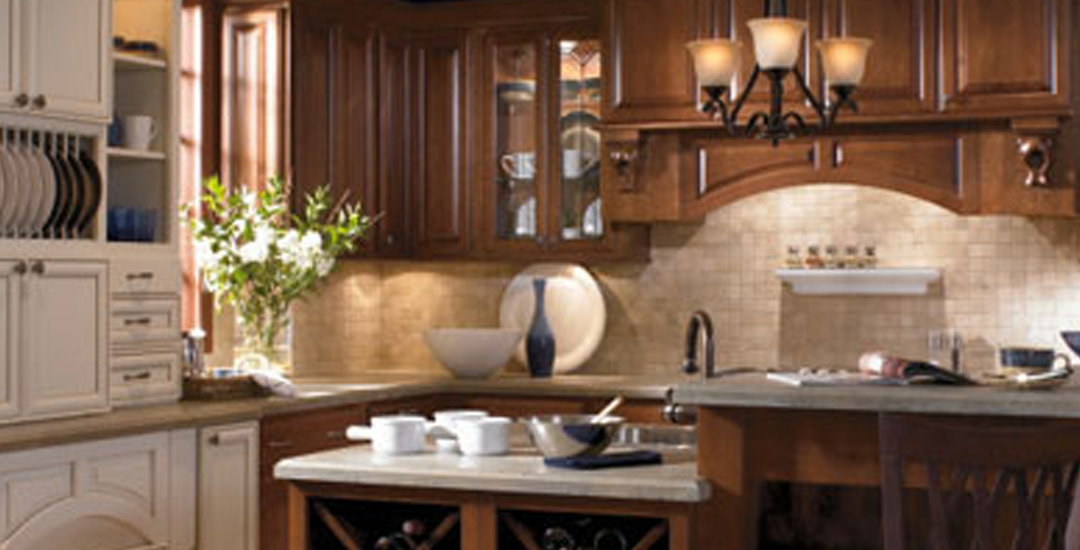
A little kitchen? No issue! Although there are certain difficulties with a smaller area, you can still make it the focal point of your house and make it lovely, welcoming, and useful with a little preparation.
Naturally, a small kitchen may be elegant; it simply requires clever design. The main points to consider are:
- Layout: how should the kitchen’s components be arranged to best suit your needs?
- Cabinet selection: what types of cabinets will make the best and most efficient use of the space you have available?
- Smart storage: how might ingenious storage solutions be implemented?
- Appearance: Using colors and finishes to make a small kitchen feel larger is nearly as crucial as making the most of available space.
- Lighting: Making the most of both artificial and natural light can give the impression that a Small space is larger and more airy.
All of these topics are covered in full in this handbook, which also offers a ton of useful advice.
Which arrangement works best in a small kitchen?
For a kitchen of any size, but particularly for a small one, proper arrangement is essential. If room is limited, you must make the most of every available square inch.
First, consider how you utilize your kitchen on a daily basis for eating, cooking, storing, and using equipment. What do you prepare, what do you use to cook it, where do you store the ingredients, and where do you consume it?
What functions well and what doesn’t in your kitchen right now? Look for any uncomfortable or underutilized spaces, such as strange angles and spaces between cabinets (such as the empty place where saucepan lids go to die in the back of the deep corner unit). When you and your kitchen planner create the new layout, this will assist you in keeping the greatest elements and getting rid of any unused space.
How you utilize the kitchen will determine how much emphasis you want to place on other features, like storage vs workspace. For instance, U-shaped and galley kitchens are frequently excellent choices for small areas. While a U-shaped design maximizes the amount of work surface and permits good access across the room, a galley plan offers ample of storage with base and wall cabinets.
Remember the “kitchen triangle rule” while designing a kitchen. Consider the sink, cooker, and refrigerator as the three primary work locations on a triangle. Make sure the path between them is accessible and that they are neither too near or too far apart.
Regarding seating, there are several space-efficient choices available even if you can’t fit a dining table and chairs, such a slimline island, a folding or extendable table with drawers or storage racks underneath, or a floating breakfast bar or peninsula with stools.
Which cabinet types are suitable for a small kitchen?
The following suggestions will help you make the most of your kitchen cabinets in a Small space:
- Simple design: A Shaker kitchen is a popular choice for a smaller kitchen because it features clean, uncomplicated lines and a traditional cabinet style. You can easily modify shaker-style cabinets to fit any kitchen size and design, and you still have a lot of room to add your own unique touches.
- Make the most of the vertical space: If your kitchen is small, utilize all of the vertical space. In addition to offering a lot of useful storage, a single wall of floor-to-ceiling cabinets will attract the eye upward, which is a time-tested interior design technique for enlarging a small area.
Space-saving devices Dedicated “magic” corner units with adjustable shelves can make up for those difficult or underutilized corners, and slimline units, as opposed to plinth or filler panels, will really help to maximize the amount of storage space in your kitchen. Another ingenious technique to store food without taking up room is with pull-out larder cupboards. - Use equipment wisely: In a Small kitchen, white goods and other appliances can eat up a lot of important room. To keep the area looking streamlined, use integrated appliances with cabinet doors to lessen their visual impact. Accessories like a boiling water tap will help keep worktops free, and multipurpose appliances like a washer-dryer combo or a small oven or dishwasher can also save room.
To maximize the use of the available space, your kitchen designer can assist you in selecting cabinets.
How can I make the most of my kitchen’s storage space?
With a few creative storage ideas, you can make the most of the space and reduce clutter in a little kitchen.
- Wall space: Utilize any available wall space, such as the area between worktops and wall cabinets, by installing slimline shelves and using them to hang knives, utensils, and pans or to store daily necessities close at hand. Hooks can also be added to the underside of your cabinets.
- Integrated storage: To make the most of the available space and ensure that items are easily accessible, pull-out larder cabinets, carousels, drawer dividers, risers, integrated chopping boards, and spice rack drawers are all excellent options. A waste and recycling container that doubles as a storage rack on the inside of your cabinet doors is a terrific way to keep those saucepan lids organized.
- Portable units: In a smaller kitchen, a unit that can be readily moved as needed, like an island on wheels with boxes or storage baskets, can be useful.
Which color works best in a Small kitchen?
The choice of color may significantly impact the appearance and feel of a smaller kitchen in addition to layout and style. Since brighter colors reflect the most light and can assist to open up the area and give it a feeling of freshness and space, lighter and more neutral colors like white, ivory, cream, or light grey are ideal for smaller kitchens.
On the other hand, even the smallest kitchen may feel calm and comfortable with gentle pastels like light blues or calming greens.
For a clean, natural vibe, try pairing a set of light kitchen units with neutral walls and a wooden worktop. You can add a dash of color and texture with a set of colored or patterned backsplash, soft furnishings, or fashionable appliances.
Naturally, the purpose of these regulations is to be broken. It’s not always the case that brighter colors are out of style because of space constraints; in a smaller kitchen, darker hues like deep blues and greys can occasionally create depth and interest. It may be highly effective to mix and match different colors. For a dramatic impression without making the space feel too small, try balancing a set of darker base units with lighter cabinets, walls, and worktops.
Which finishes and materials work best in a small kitchen?
In a small kitchen, the selection of materials and finishes can have a significant impact. To further reflect the light and enlarge the room, choose reflecting, glossy materials. Shiny worktops, high-gloss cabinet doors, and floor tiles or backsplash that reflect light truly make the most of the available space.
Another amazing technique to improve the light and space in a kitchen is with glass. A few cabinets with glass fronts will provide depth and openness to the room. You may also showcase some of your favorite objects, such recipe books or glassware, while maintaining a clean and organized look.
It is better to keep things basic when it comes to kitchen hardware. A seamless appearance can be achieved by selecting simple handles; for best results, choose streamlined, glossy materials like chrome for the taps and handles. Alternatively, you may go all out and select drawers and cabinets without handles, which will preserve those sleek lines and make navigating a small kitchen easier!
In what ways can lighting enlarge a Small kitchen?
One of the best ways to make a small place appear larger is with light. Therefore, you must be clever about letting in light if your kitchen has few windows or none at all.
First, try to make the most of any natural light that is available. Making the most of any existing windows by keeping them clear of obstructions, going curtainless if you can, and keeping your window sills clutter-free will help a small area look far better than adding a skylight or a full-length window.
Ideally, your kitchen lighting plan will be incorporated into your original kitchen design. The greatest artificial lighting schemes combine ambient, task, and accent lighting.
While some under-cabinet downlighting will illuminate the worktops, giving useful job lighting and highlighting the larger space, spotlights offer enough of ambient light without taking up much room.
A dramatic feature pendant light, on the other hand, will create a terrific focus point and add interest in a smaller kitchen. Lighting is also a great way to make a statement. Another excellent approach to define an eating area is using pendant lights. Whatever fits the design and size of your room, whether it’s a stunning, shimmering chandelier or a quirky, modern light fixture with exposed bulbs.
Last but not least, think about the kind of lightbulbs you’re using in your kitchen. “Warm-white” bulbs will provide a softer, more ambient impression, while daylight style bulbs are brighter and will replicate the sensation of natural daylight.
Frequently Asked Questions about Small Kitchens
Is it possible to maintain style in a small kitchen?
Regardless of size, any kitchen may appear fashionable, and a Small kitchen doesn’t have to be boring, small, or uninteresting. A small kitchen may be quite attractive with careful planning, thoughtful design, and efficient storage.
Is it possible to have dark cabinets in a Small kitchen?
Absolutely, when used properly, striking colors can bring depth, drama, and flair to a small kitchen.
How can a small kitchen be kept clutter-free?
A cluttered surface might give the impression that a kitchen is smaller. In addition to routinely getting rid of all that unnecessary kitchen equipment, creative storage can contribute to a clean, organized, and roomy kitchen.
Among the options are pull-out larder cabinets, carousels, drawer dividers, risers, integrated chopping boards, spice rack drawers, “magic” corner units with adjustable shelves, and storage racks on the inside of cabinet doors.
A custom larder cabinet from Naked Kitchens with drawers that can be personalized for family members and storage shelves on the inside of the door.
To make my Small kitchen appear larger, should I take the door off?
A conventional hinged door can eat up significant space in a little kitchen. But it also acts as a helpful sound and odor barrier, especially while you’re cooking or working from home. A glass sliding door, which can be opened to create a larger room and still let in plenty of light, could be an alternative to removing the door entirely.
Is an island possible in a little kitchen?
In a small kitchen, an island might seem like a far-fetched dream, but it’s frequently feasible to include one into your design. A slimline island or peninsula might be a better option if you don’t have enough space to move around a full-size island. These also look great in a small kitchen area that’s part of a larger open-plan space. Discuss island choices for small kitchens with your kitchen designer.
Let’s get started on your new kitchen design. Schedule a free no obligation consultation and we can explore all the possibilities.
Cabinet Impressions
315 Conant Street Maumee, OH 43537
(419) 893-0014
Schedule a Free Consultation or stop by our showroom in downtown Maumee (yes, we have private parking — no parallel parking required!).
Your dream kitchen is closer than you think. Let’s make it happen — together.